

Applications for this competition closed on Thursday, 10th September 2026.
Information in relation to Stage 1 (Online Assessments) will issue to candidates on Thursday 8th October 2026.
Online Assessments are due to take place between Thursday 15th October and Thursday 22nd October. Please be aware that extension requests to the Online Assessment deadline cannot be granted.
Stage 1 (Online Assessments) results will be issued to candidates at the end of November.
About the Role
The Higher Executive Officer (HEO) role requires individuals who can balance operational leadership with strong analytical skills, sound judgement and a clear commitment to public service values. HEOs are experienced middle managers who play a critical role in leading teams, managing delivery and supporting departmental and cross‑government priorities. Reporting to an Assistant Principal Officer, HEOs play a key role in implementing policy and strategy and in delivering a world class service to the State and to the people of Ireland.
Acting as a vital link between senior management and operational teams, their work ensures the effective implementation of policy, reform, and service delivery on the ground and provides support in managing large projects, budgets and developing government policy. They are expected to operate confidently in complex environments, represent their area in cross‑departmental and senior‑level settings, and ensure the effective implementation of policies, programmes and services while managing resources responsibly.
HEOs in the Civil Service contribute to the Renewal 2030 Strategy and the Better Public Services programme, helping to realise a vision of a more unified, professional, responsive, open and accountable Civil Service that delivers a world‑class service to the State and the people of Ireland. The Civil Service is now recruiting for suitably qualified and committed individuals to take up the role of HEO. This is an exciting opportunity for talented and enthusiastic individuals who are looking to embrace new challenges, do purposeful work and make a real difference to the Irish State and its people.
Reasons To Apply
As well as a rewarding and challenging career, some of the benefits of working as a HEO include:
- Competitive salary, starting at €60,029 with yearly increments for satisfactory performance;
- 29 days of annual leave per year;
- Public Sector pension;
- Opportunities for promotion through internal, interdepartmental and open competitions;
- Subject to business needs and a satisfactory probationary period;
- Flexible working with a commitment to work-life balance and a family-friendly workplace (including work-sharing arrangements and a wide variety of special leave options);
- Facility to apply for Shorter Working Year Scheme;
- Facility to apply for career breaks;
- Learning and development opportunities;
- Access to well-being programmes to support a healthy work-life balance;
- Opportunity to avail of the ‘Cycle to Work’ scheme, and the tax saver public transport pass;
- Opportunity to join the Public Service Credit Union;
- Contribute to purposeful work that positively impacts citizens, communities, and society.
Competition Timeline

Online Assessments
October 2026.

Shortlisting
December 2026.

Interview
January 2027.

Panel & Clearance Checks
February 2027.
Candidate Support Centre
Higher Executive Officer in the Civil Service FAQs
You will be invited to complete online assessments in the first stage of the process, in order to assess the large volume of applications and provide an equal opportunity to each applicant. Your score at this stage will determine your Order of Merit, or ranking, as compared to all other applicants, and will affect the pace at which you may progress to later stages of the recruitment process.
The duration of a recruitment process depends primarily on the number of candidate applications received. It is expected that this competition will be active for a two-year period, and will follow a demand-led approach to recruitment. This means, candidates can be called forward to the next stage of the process over the course of this period. The number of candidates called forward to any stage is based on the volume of vacancies identified by departments. The number of vacancies received can vary across locations
Although the majority of vacancies arising over the lifetime of the panel are expected to be located in the wider Dublin area, a limited number of vacancies may arise in some regional locations which may also be filled from this panel.
Discover Our Higher Executive Officers
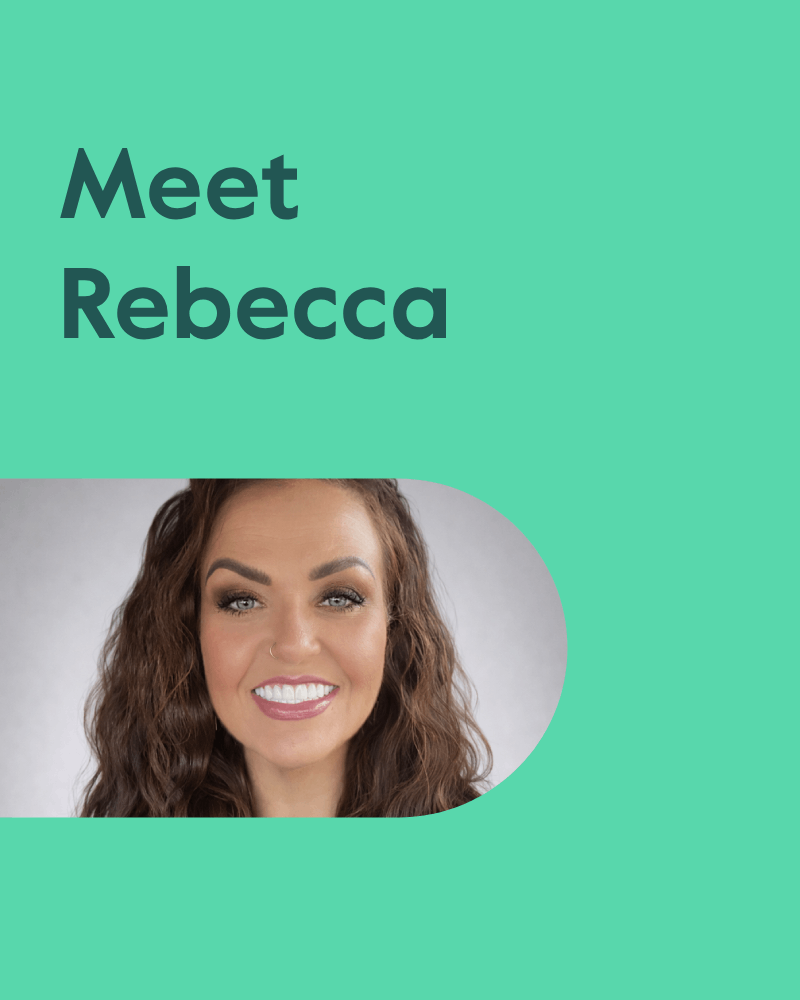
Rebecca
publicjobs
What I enjoy most about being a HEO is the balance between leading people and having the autonomy to make a difference. I enjoy being able to identify where something could work better, bring forward ideas and see those ideas genuinely considered and put into practice.
I particularly value supporting and developing colleagues, whether they want to progress their careers or simply grow and stay engaged in the role they are in. I also love the variety of the role and the opportunity to work with people across different teams, grades and areas of the organisation and the wider sector.
I am a huge advocate for a career in the Public Sector and genuinely believe there is a role to suit almost every interest, skill set and stage of life. It’s something I wish I had pursued sooner and would recommend to people of all ages and backgrounds.
In particular, I think it offers an incredible foundation for young people leaving school or college who are looking to build a meaningful, long-term career.
Read More About Rebecca
Chantelle
Department of Finance
I joined the civil service first as a temporary clerical officer (TCO), and then a permanent clerical officer (CO) in 2018. I was the CO in the Economics Division in the Department of Finance and progressed through promotion to HEO in 2024 in my current role.
Prior to my career in the civil service in Ireland, I was a civil servant in South Africa on Assistant Principal Officer level, before moving from South Africa to Ireland in 2006.
Communication through email, Teams and phone calls is vital in my role. Strict deadlines are a weekly target. We also work closely with the Tánaiste and Minister for Finance’s office and professional protocol is of utmost importance.
A career in the public service offers good work-life balance, great financial and other benefits, many study and career opportunities, support from managers, great and fair HR practices all within an interesting and challenging work environment.
Read More About Chantelle
Hilary
Department of Social Protection
My role combines leadership, service delivery, staff development and operational management. I manage performance, support staff, analyse service delivery trends and ensure customers receive a high-quality service while maintaining strong compliance and governance standards.
I am particularly proud of my involvement in the Engagement & Innovation Anti-Racism Project Leadership Team and initiatives that promote a more inclusive workplace. I hope that sharing my own journey encourages others from under-represented backgrounds to recognise that careers in the public service are both accessible and achievable.
When I arrived in Ireland, I faced physical disability barriers, limited IT skills, and no clear career path. However, through a FÁS case officer's guidance, public service support, education, and continuous development, I built a fulfilling career and reached a leadership role.
Since joining the Civil Service, I have progressed from Executive Officer to Higher Executive Officer and Intreo Centre Manager, led a team of 15 staff, contributed to social inclusion initiatives, delivered digital transformation projects and influenced governance improvements adopted across multiple Intreo offices. My journey is proof that the system works and that public services can empower people to realise their potential.
Read More About Hilary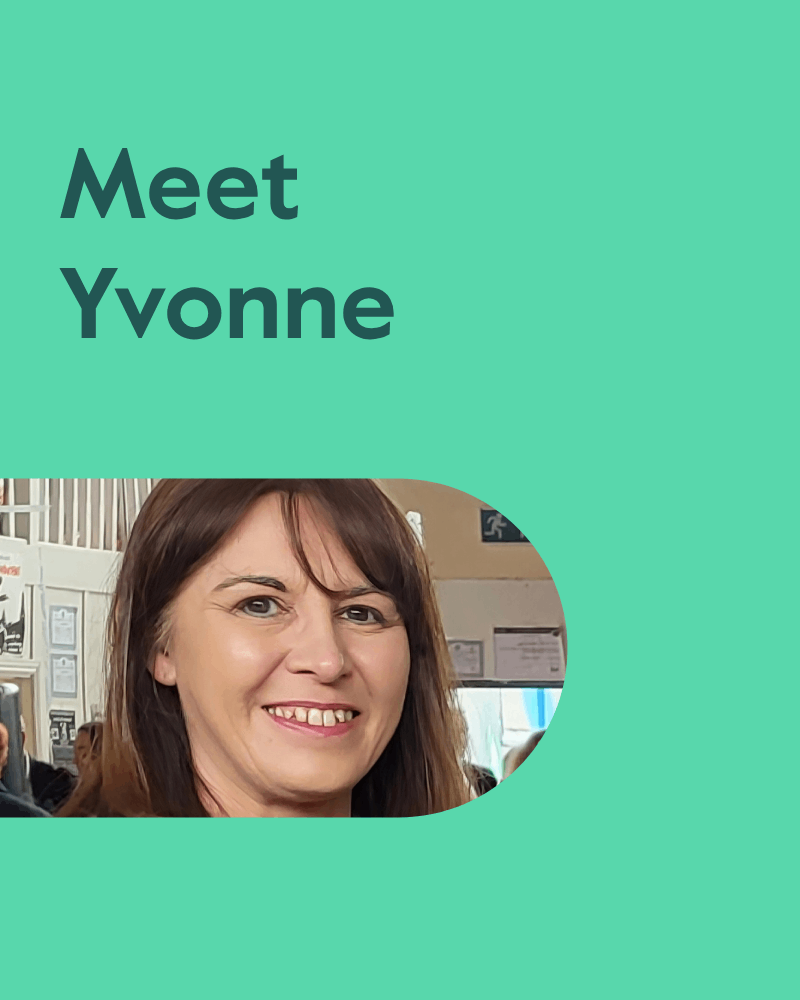
Yvonne
Department of Rural and Community Development and the Gaeltacht.
My day-to-day role as a Higher Executive Officer centres on providing structured leadership, strong governance and operational oversight across the Community Recognition Fund and the Community Centre Investment Fund making a real difference to local communities nationwide.
The role requires impactful staff development, decisive analytical judgement and strong communication excellence. Confident stakeholder engagement and unwavering professional integrity underpin trusted public service leadership.
I enjoy working collaboratively and being part of a team that can make a meaningful difference in our communities. I value the opportunity to share my experiences, support and encourage others to reach their full potential and promote the importance of health and wellbeing, education and continued personal and professional development.
I find it particularly rewarding to encourage people to recognise opportunities for progression and to support them in achieving their goals.
Read More About YvonneThe Capability Framework
 Higher Executive Officer
Building
Future Readiness
Digital Focus, Innovation
& Upskilling for the Future
Strategic Awareness &
Change
Leading and
Empowering
Leading, Motivating
& Developing
Leading with
Specialist Insight
Capability:
Behaviours
Skills
Strengths
Knowledge
Values
Motivation
Interests
Evidence
Informed Delivery
Delivering
Excellence
Analysis, Judgement
& Decision Making
Communicating
and Collaborating
Communicating
& Influencing
Engaging
& Collaborating


Building
Future
Readiness
Digital Focus, Innovation
& Upskilling for the Future
Leading
&
Empowering
Leading,
Motivating
& Developing
Strategic, Awareness
& Change
Leading with
Specialist Insight


Capability:
Behaviours
Skills
Strengths
Knowledge
Values
Motivation
Interests



Evidence
Informed
Delivery
Delivering Excellence
Analysis, Judgement
& Decision Making
Communicating
& Collaborating
Communicating
& Influencing
Engaging &
Collaborating
Building Future Readiness
Delivering excellent public policy and services requires us to embrace change and innovation. We strive to create an inclusive customer centric strategy and vision that keeps pace with environmental, social and technological changes. Adopting an agile and digital-first approach, we will continually upskill, change and improve how we do things to meet current and future demands.
Digital Focus, Innovation & Upskilling for the Future
Digital Focus
- Maximises the use of technology and digital solutions to drive efficiencies and support better service delivery
Innovation & Creative Solutions
- Encourages and delivers innovative ideas, creative solutions and useful suggestions, with a good understanding of the practicalities
- Tries new or different approaches, demonstrating the flexibility to learn from mistakes, adapt and improve
Upskilling for the Future
- Proactively seeks development opportunities, building on strengths and addressing weaknesses or gaps with a positive attitude and willingness to learn
- Committed to building knowledge and skills for the future
- Understands what the team needs to do, to build future readiness and skills

Key Skills Examples
- Innovation
- IT and digital skills
- Continuous learning
- Design thinking
- Systems thinking
- Process improvement
Strategic Awareness &
Change
Strategic Awareness & Future Focus
- Contributes to the development of policy, strategy and future planning for their area
- Works with management to identify links between the broader organisational and departmental strategy and the yearly objectives of their team
Contextual Awareness
- Keeps up to date with wider Civil Service Policies and developments relevant to their own area
- Considers the wider impact of policies and strategies, including who or what they affect
Facilitating Change
- Supports others through change, highlighting the benefits of change, innovation or new technology
- Identifies and makes recommendations for change based on their analysis, expertise and insights
Key Skills Examples
- Managing and supporting change
- Policy and strategy development
- Goal setting
- Strategy implementation
- Strategic thinking
Evidence Informed Delivery
Delivering excellent public policy and services requires us to make evidence based and well-informed judgements and decisions, prioritise objectives and effectively manage resources, using relevant information to evaluate the delivered outcome to ensure maximum benefit for the people we serve.
Delivering Excellence
Managing Work & Resources
- Manages, plans and prioritises workload to ensure targets and deadlines are met
- Works in a systematic, organised and efficient manner, getting up to speed with new tasks at an appropriate pace
- Manages resources effectively to deliver best outcome possible
Delivering Quality Outcomes & Service
- Sets high standards and goals for self and team with commitment to meeting these
- Has good oversight of their teams work and puts procedures in place to track progress and quality
- Practices and promotes delivering excellence in customer service and prioritises the customer experience
- Seeks feedback on work and evaluates delivery against required outcomes
Attitude, Initiative & Flexibility
- Demonstrates ownership, initiative and responsibility over own work, while also supporting the team
- Maintains resilience and a ‘can-do’ attitude when working under pressure or constraints, seeking support when necessary
- Ensures self and team are flexible and agile in the face of challenges or changing demands

Key Skills Examples
- Project management
- Risk management
- Customer service
- Goal setting
- Project evaluation
Analysis, Judgement & Decision Making
Gathering, Analysing & Utilising Information
- Gathers, understands and analyses data from a range of sources, to identify key information or core issues
- Ensures systems are in place to appropriately gather, manage and utilise data
- Analyses and evaluates complex verbal and numerical information in an accurate and timely manner
Problem Solving
- Solves problems in a logical manner, gathering relevant information and data, exploring different solutions and escalating issues where necessary
Informed Judgement & Decision Making
- Makes balanced judgements and decisions, drawing from evidence, experience and relevant policies and procedures.
- Makes appropriate and timely decisions, communicating the rationale and seeking support, where required
- Exhibits good judgement in dealing with difficult, ambiguous situations and ‘on-the-spot’ issues
Key Skills Examples
- Evaluating information
- Data management & visualisation
- Data analytics
- Critical thinking
Leading and Empowering
Delivering excellent public policy and services requires us to lead in our areas of expertise, inspire others and create a clear vision. We are committed to developing, supporting, and empowering our colleagues to meet their potential and to creating a positive and inclusive work environment where everyone's contribution is valued.
Leading, Motivating & Developing
Developing, Motivating & Supporting Performance
- Motivates high performance by providing recognition, guidance, coaching and regular feedback
- Effectively utilises both formal and informal performance management techniques
- Understands team members strengths and development needs and allocates work appropriately, ensuring all members have exposure to developmental opportunities
Empowerment, Trust & Honesty
- Empowers their team, encourages autonomy, values others’ input and opinions and delegates tasks with trust
- Creates an inclusive, safe and open team environment
- Leads with integrity, honesty and accountability
Social & Emotional Intelligence
- Prioritises wellbeing for self and others, showing consideration, empathy and support
- Demonstrates good self-awareness and ability to manage own emotions and behaviour, particularly in challenging situations

Key Skills Examples
- Performance management
- Coaching and providing feedback
- Conflict management
- Managing remote or blended teams
Leading with Specialist Insight
Specialist Expertise & Professional Development
- Demonstrates a high degree of specialist expertise and knowledge in their area
- Committed to continuous professional development, engaging in relevant courses, conferences and activities to keep knowledge up to date
Leading, Advocating & Knowledge Sharing
- Leads and advocates in their area of expertise, through openly sharing insights, knowledge, evidence and rationale
- Creates opportunities to share and transfer knowledge
- Capable of describing technical terms in an easily understandable manner
Balancing Autonomous Work, Cross-Functional Work & Teamwork
- Capable of working independently, as well as with their team and with other areas or functions
- Has a clear understanding of what work needs to be done and how to do it, with the ability to self-motivate, setting own goals and targets
Key Skills Examples
- Specialist skills in own area of expertise
- Communication and influencing skills
- Research skills
Communicating and Collaborating
Delivering excellent public policy and services requires us to work together, build relationships and collaborate enabling a joined up, whole-of-Government approach. Effective engagement and communication with our customers, clients and colleagues will enhance and build trust in our services.
Communicating & Influencing
Communicating Effectively & Listening to Understand
- Communicates and presents in a clear, professional and engaging manner, across verbal, digital and written communications
- Shares the appropriate level of detail and presents relevant information and data in an accessible and understandable format
- Demonstrates understanding of own communication approach, adjusting style as appropriate for the audience
- Prioritises diversity and makes an active effort to involve and listen to different people and perspectives
Influencing & Negotiation Skills
- Tactfully influences and persuades others and considers compromise when necessary
- Style of influencing, negotiating and managing conflict is appropriate and respectful at all times
- Approaches difficult discussions, questions or negotiations with consideration, composure and sensitivity

Key Skills Examples
- Other languages – e.g., Gaeilge
- Written skills
- Presenting
- Active listening
- Influencing and negotiation skills
Engaging & Collaborating
Networking, Engaging & Consulting
- Builds useful networks within and outside of the organisation and department
- Prioritises engaging and consulting with relevant stakeholders
Collaboration, Teamwork & Building Relationships
- Promotes and engages in collaboration, cross-functional and teamwork, creating opportunities to work together where relevant
- Utilises interpersonal skills to build positive and effective working relationships, even in a blended or hybrid environment
- Keeps their team, colleagues and manager appropriately informed, involved and updated
Key Skills Examples
- Collaboration and teamwork
- Interpersonal skills
- Cross-functional working
- Networking
- Relationship building
Additional Information
For more information visit the Interview Advice page.
To download the Capability Framework (PDF or plaintext accessible version)
please click below: